

If you’re constantly agreeing to everything, you’re setting yourself up for problems you might not notice immediately.
First, your work quality drops. When your plate is full, you can’t give each task the attention it deserves. That’s why professionals often say they “don’t have the capacity to give this the attention it deserves”; a phrase that communicates both honesty and professionalism.
Second, people start expecting unlimited availability. If you never say no, others assume you’re always available. That’s not respect; it’s dependency.
Third, burnout becomes inevitable. Overcommitting leads to stress, missed deadlines, and frustration. Eventually, it affects both your performance and your mental well-being.
So if you think saying yes is being “nice,” rethink that. The real professionalism lies in choosing when to say yes; and when to decline.
Core Principles of Polite Refusal
Be Clear and Direct
Don’t overcomplicate your message. A polite “no” should be clear enough that there’s no confusion. Avoid long, emotional explanations. One or two sentences explaining your situation is enough.
Show Appreciation First
Always acknowledge the request. A simple “Thank you for thinking of me” sets a respectful tone. It shows that you value the person; even if you can’t accept their request.
Offer Alternatives When Possible
This is what separates average communication from professional communication. Suggest another time, another person, or another solution. It shows you’re still helpful; even when you’re declining.
Professional Ways To Decline A Request Politely
When someone asks you to take on a task, the key is to decline without sounding dismissive.
Imagine a coworker asks for help, but you’re already overloaded. Instead of saying, “I can’t,” you say:
“I’d love to help, but I’m currently focused on high-priority projects and won’t be able to give this the attention it deserves.”
That small shift changes everything. It communicates:
- Respect
- Responsibility
- Professional boundaries
If appropriate, redirect them. For example, suggesting another colleague or a later time keeps the conversation productive.
Professionals often use structured responses like:
- Appreciate the request
- State limitation
- Offer alternative
This formula works in almost every situation.
Professional Ways To Decline An Invitation Politely
Declining invitations; especially social or workplace events; requires a slightly softer tone.
You don’t want to sound robotic or overly formal. Instead, keep it warm and human.
For example:
“That sounds great, but I’ve had a busy week and need some downtime. Let’s catch up another time.”
This approach works because it:

- Acknowledges the invitation
- Gives a simple reason
- Keeps the relationship open
If it’s a work event, you can be more structured:
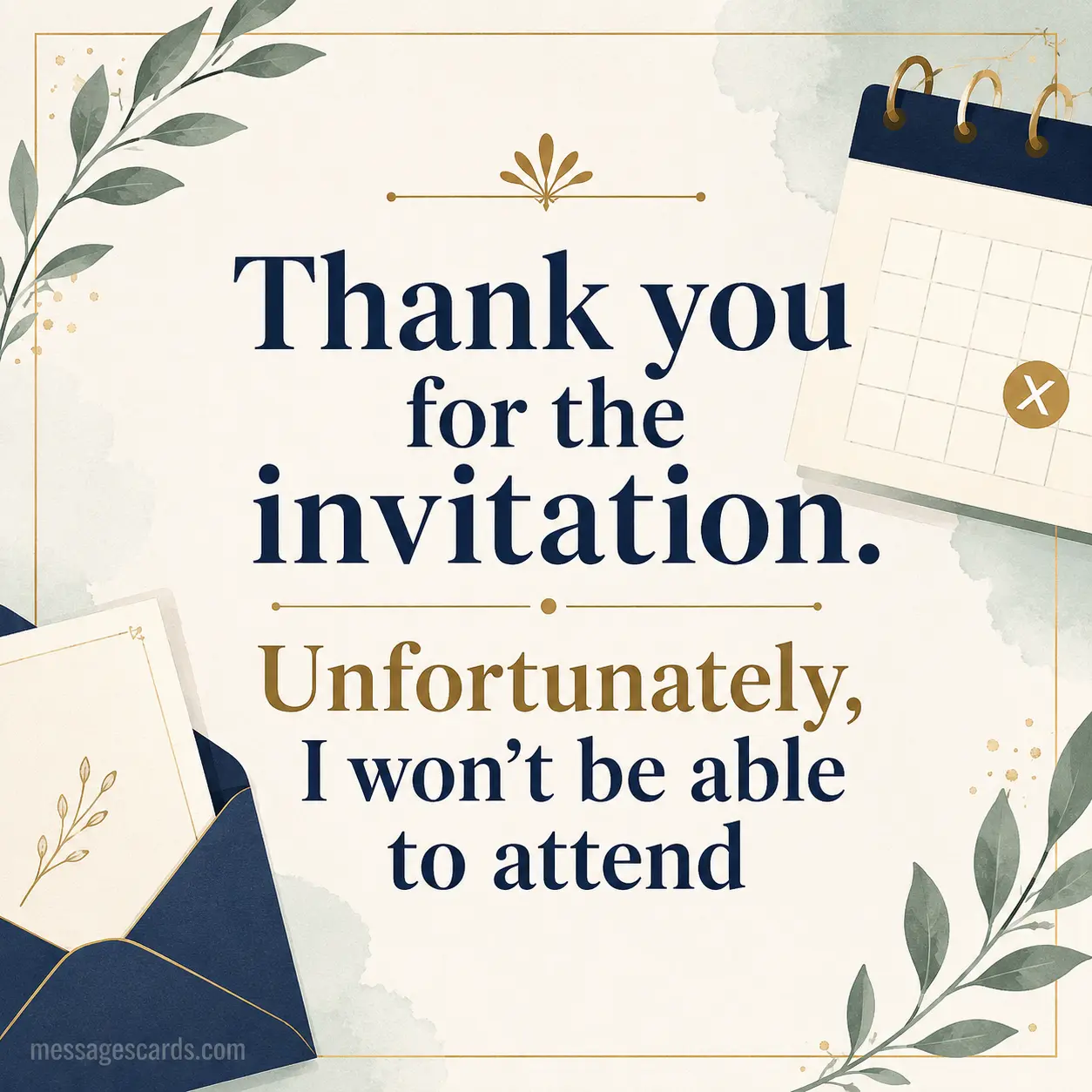
“Thank you for the invitation. Unfortunately, I won’t be able to attend due to prior commitments.”
No over-explaining. No guilt. Just clarity and respect.
Professional Ways To Decline A Job Offer Politely
This is where many people get nervous; but it’s actually straightforward if you handle it right.
Start with gratitude. Always.
“Thank you very much for the offer. I truly appreciate the opportunity and the time your team invested in the process.”
Then clearly decline:
“After careful consideration, I’ve decided to pursue another opportunity.”
That’s it. No long explanations needed.
Why is this important? Because industries are smaller than you think. Today’s recruiter could be tomorrow’s opportunity. Maintaining professionalism keeps doors open.

Professional Ways To Say No Politely At Work
Saying No to Your Boss
This is tricky; but not impossible.
You don’t say “no” directly. You reframe the conversation.
For example:
This shifts the decision back to your manager while showing commitment.
Saying No to Coworkers
With peers, you can be more direct but still respectful:
“I’m at full capacity right now, but I hope you find someone who can help.”
Simple. Clear. Professional.
Formal Ways To Decline Politely In Email
Email requires structure and tone balance. You want to be polite, concise, and clear.
Email Template Example
Subject: Regarding Your Request
Hi [Name],
Thank you for reaching out and considering me for this. I appreciate the opportunity.
At the moment, I’m unable to take this on due to current commitments.
I hope everything goes smoothly, and I’d be happy to reconnect in the future.
Best regards,
[Your Name]
This structure works because it follows proven professional patterns used in workplace communication.
Short Professional Ways To Decline Politely
Sometimes, less is more. Short responses are useful when the situation doesn’t require a long explanation.
Examples:
- Thank you, but I’ll have to pass this time.
- I appreciate the offer, but I’m unable to commit right now.
- I’m at full capacity at the moment.
Short doesn’t mean rude. It means efficient.
Professional Phrases To Decline Politely (Messages List)
- Thank you for thinking of me, but I’m unable to take this on right now.
- I appreciate the opportunity, but I’ll need to decline at this time.
- I’d love to help, but I’m currently focused on other priorities.
- I’m honored you asked, but I can’t commit at the moment.
- Unfortunately, my schedule doesn’t allow for this right now.
- I’ll have to pass this time, but thank you for considering me.
- I’m not able to support this currently, but I appreciate you reaching out.
- That sounds great, but I won’t be able to join this time.
- I’m currently at full capacity, so I can’t take on additional work.
- I appreciate it, but I’ll need to decline.
FAQs
1. Is it unprofessional to say no at work?
Not at all. Saying no professionally shows that you understand your limits and priorities, which actually increases respect and trust.
2. How do I say no without feeling guilty?
Focus on the fact that you’re protecting your quality of work. A thoughtful no is better than a careless yes.
3. Should I always give a reason when declining?
Yes, but keep it short. One clear sentence is enough to make your refusal easier to accept.
4. What if someone insists after I say no?
Stay firm and repeat your response politely. Consistency shows confidence and prevents pressure.
5. Can saying no improve my career?
Absolutely. It helps you focus on high-impact work and prevents burnout, which leads to better performance and growth.

Tyler Brooks is a writer from Denver, Colorado, and a contributor at MessagesCards.com, where he creates and curates meaningful messages, greetings, and inspirational quotes for a wide range of occasions. His work focuses on helping people express emotions clearly and thoughtfully—whether for birthdays, celebrations, relationships, or everyday encouragement. Through simple, relatable, and easy-to-share writing, Tyler aims to make it easier for readers to find the right words and connect with others through heartfelt messages.